Reel · Sat, Oct 10
Remember this place?
Built in 1915, the Pavilion held dances, weddings and concerts for generations. What memory would you pass on?
Read the full post
A dance, a wedding, a concert: what brings the old Detroit Lakes Pavilion back for you?
Built in 1915, it became a gathering place for generations. The city’s August 26, 2026 project update outlines the next chapter, with a proposed June 2028 opening to events. Dates remain subject to change.
What’s one Pavilion memory you’d want the next generation to know? Tell us what happened and about what year in the comments.
Project information: cityofdetroitlakes.com/pavilion
Historic postcard (1917): LakesnWoods.com Postcard and Postcard Image Collection, lakesnwoods.com/DetroitLakesGallery.htm
Entrance photograph: Detroit Lakes Tribune file photo.
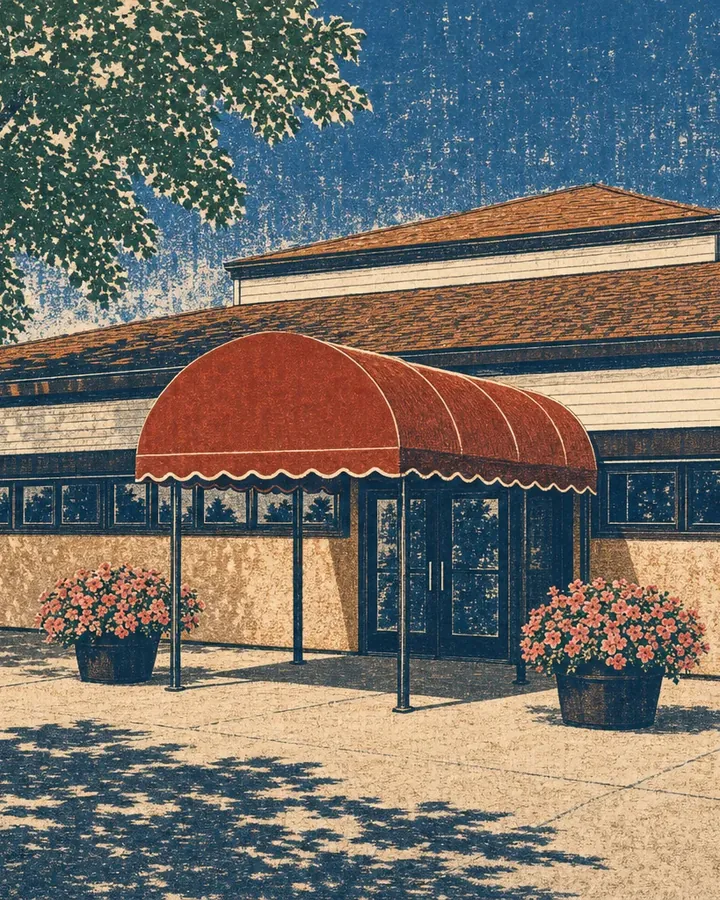
The Reel uses a Detroit Lakes Tribune file photo and a 1917 postcard, which stay on Facebook. The drawing here shows the entrance as it stood.
Reel · Fri, Sep 4
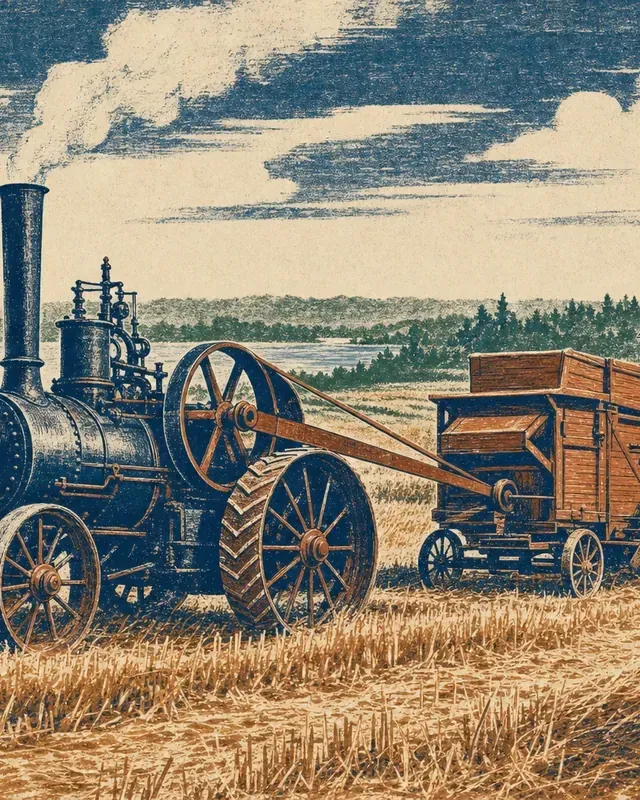
Rollag: where history still works
How a 1940 family threshing gathering grew into a public steam reunion, and what the 2026 weekend looked like.
Read the full post
Rollag: where history still works. A steam-threshing gathering with family and friends in 1940 grew into a public reunion in 1954. The machines are part of the draw. So is the know-how that keeps them working. Western Minnesota Steam Threshers Reunion runs September 4-7, 2026, with Steiger as this year's feature. Day passes are $20. Children 14 and under are free with a paid adult. Check the organizer's current details before heading out. Who first took you to Rollag? Share this with them, and tell us what you always go back to see. EVENT DETAILS + HISTORY Western Minnesota Steam Threshers Reunion: rollag.com rollag.com/about 2026 Steiger feature: rollag.com/about/expo Historical corroboration: Minnesota State Moorhead, Northwest Minnesota Historical Center, collection S4936: mnstate.edu/library/university-archives/… PHOTOGRAPHY + CREDITS Real archive photographs, not coverage of the 2026 reunion. No photograph depicts the specific 1940 or 1954 gathering. Jerry Huddleston (chief_huddleston), August 30, 2025: "Soo Line 353, WMSTR" (two photographs) flickr.com/photos/9265232@N04/54757443782 flickr.com/photos/9265232@N04/54758534529 "Dresser Trap Rock 3, WMSTR" flickr.com/photos/9265232@N04/54758527984 Licensed CC BY 4.0: creativecommons.org/licenses/by/4.0 Courtney Ficek, "Rollag," September 4, 2010: flickr.com/photos/79748512@N07/7309426444 Licensed CC BY 2.0: creativecommons.org/licenses/by/2.0 Photographs were cropped, resized and lightly graded, with editorial camera movement and text added by Lakes Area Connect. People, machinery and smoke were not generated or artificially animated. Credits identify sources; no photographer, organizer, manufacturer or pictured visitor endorsement is implied. This is a narrated editorial, not an interview or on-site report.
The image here is an illustration made for this archive. The original Reel and its credited media are on Facebook.

Reel · Sat, Aug 15
Before Glendalough was a park.
For more than 60 years it was a private retreat and game farm, which helped keep the shoreline of five lakes wild.
Read the full post
Before Glendalough belonged to all of us, its private lodge welcomed two future presidents. For more than 60 years, the Minneapolis Tribune and Cowles family used this land as a private retreat and game farm. That private chapter also helped keep hundreds of acres and miles of shoreline around five lakes largely undeveloped. The land was donated on Earth Day 1990, and the deed reached Minnesota DNR in 1992. This Saturday at 4 PM, the DNR is leading a free Sunset Lake Stroll through woods, prairie, and part of the former game farm. A state park vehicle permit is required. Severe weather or poor air quality can cancel the program, so check the official DNR listing before you go. Who would you take on the trail? Tell us in the comments. If you learned something new, give this a like and share it with someone who loves Glendalough. Sources: Minnesota DNR. Official Saturday event: dnr.state.mn.us/state_parks/event.html?i… Photo credits: Tony Webster, CC BY-SA 2.0; McGhiever and James Benjamin Bleeker, CC BY-SA 3.0. Photographs were cropped, color-graded, and animated for vertical. Adapted photo sequences are shared under the corresponding licenses. Photos: commons.wikimedia.org/wiki/Category:Glen… Licenses: creativecommons.org/licenses/by-sa/2.0 and creativecommons.org/licenses/by-sa/3.0
This image is a still from the published Reel. The Reel's narration and music stay on Facebook. This adapted still is shared under the same CC BY-SA 2.0 license.
Watch on Facebook ↗Photo: Tony Webster, CC BY-SA 2.0, cropped with added text 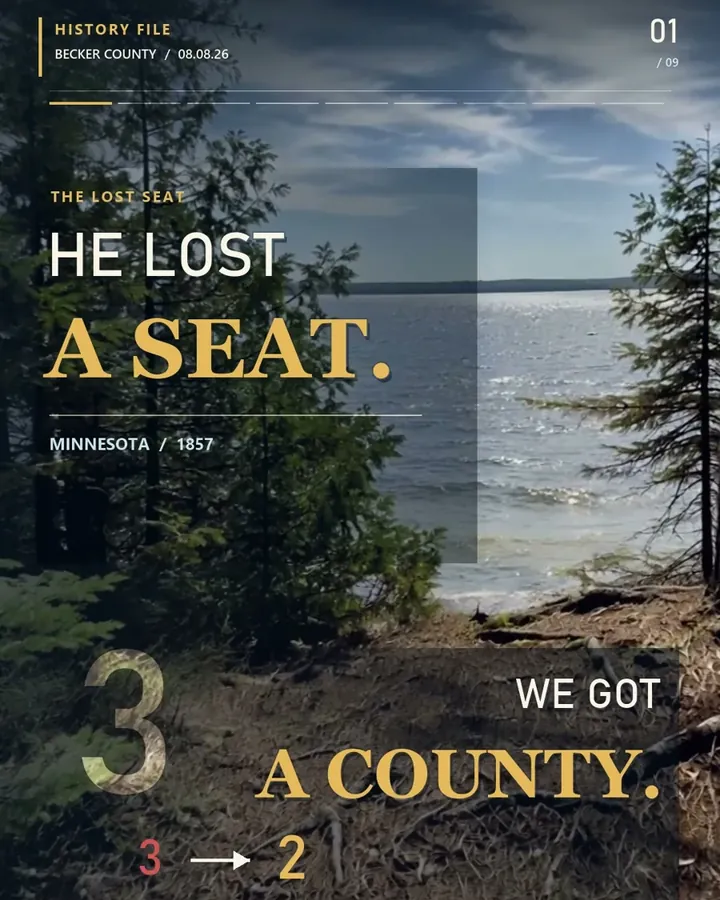
Reel · Sat, Aug 8
He lost a seat. We got a county.
Becker County is named for a man who lost a drawing of lots for Congress in 1857 and never served.
Read the full post
Becker County is named for a man who never represented Minnesota in Congress. In October 1857, Minnesotans elected three men, but the state was entitled to only two seats. Minnesota's Legislative Reference Library says the three drew lots. George Loomis Becker lost and never served. State authorities offered him a different place in history: the next county they created would carry his name. On March 18, 1858, they kept the promise and established Becker County. Becker was not a local founder. He was a St. Paul lawyer, former mayor, and brigadier general. Today his borrowed last name covers more than 400 lakes and 11 communities across Lakes Country. Save this for the next county-road drive. Which Lakes Country name should we unpack next? Sources: Becker County official history and the Minnesota Legislative Reference Library. The 1895 county map appears for geographic context, not as an 1858 documentary image. Present-day regional footage is maintained LAC visual context and does not depict the historical events described. #BeckerCounty #LakesCountryHistory #MinnesotaHistory #DetroitLakes #LakesAreaConnect
This image is a still from the published Reel. The Reel's narration and music stay on Facebook. The Reel's 1895 county map appears for context only.
Reel · Sat, Jul 25
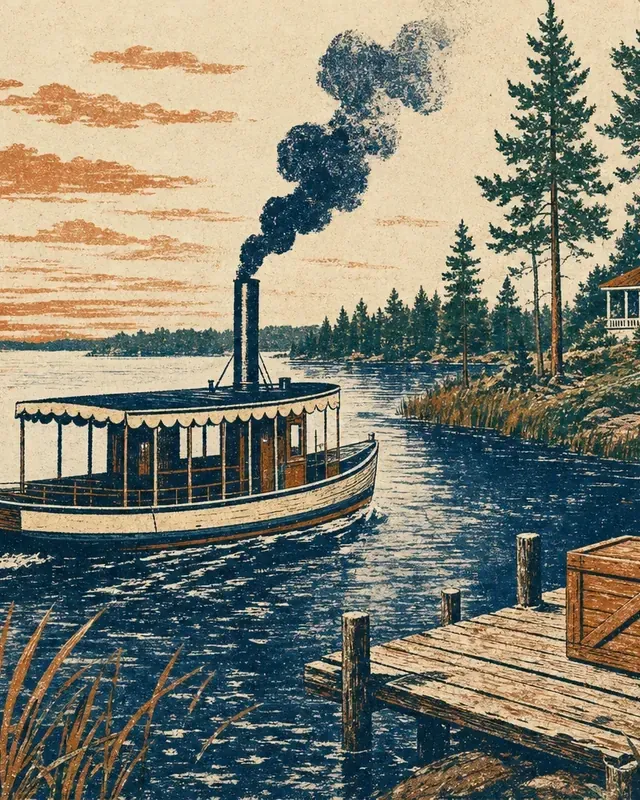
Before the lake road: the Pelican Valley boat route
From 1889 to 1918, a scheduled launch service carried passengers, freight and mail through the Pelican chain of lakes.
Read the full post
Happy Saturday, Lakes Area. Before a highway run to the cabin, the Pelican Valley Navigation Company moved passengers, freight, and mail through a roughly 12-mile chain of lakes, channels, and locks southwest from Detroit Lake. The company operated from 1889 to 1918. A normal trip to Shoreham took about an hour, while the later route to Big Pelican Lake could take about three. The small launches usually carried 35 to 40 passengers. The automobile eventually changed the route, but Dunton Locks and other traces still connect the modern map to that older lake-country system. What Detroit Lakes place should we open the archive on next? Source and archive images: Minnesota Historical Society MNopedia and Becker County Historical Society. Selected images are labeled public domain on the source record.
The image here is an illustration made for this archive. The original Reel and its credited media are on Facebook.
Reel · Sat, Jul 18
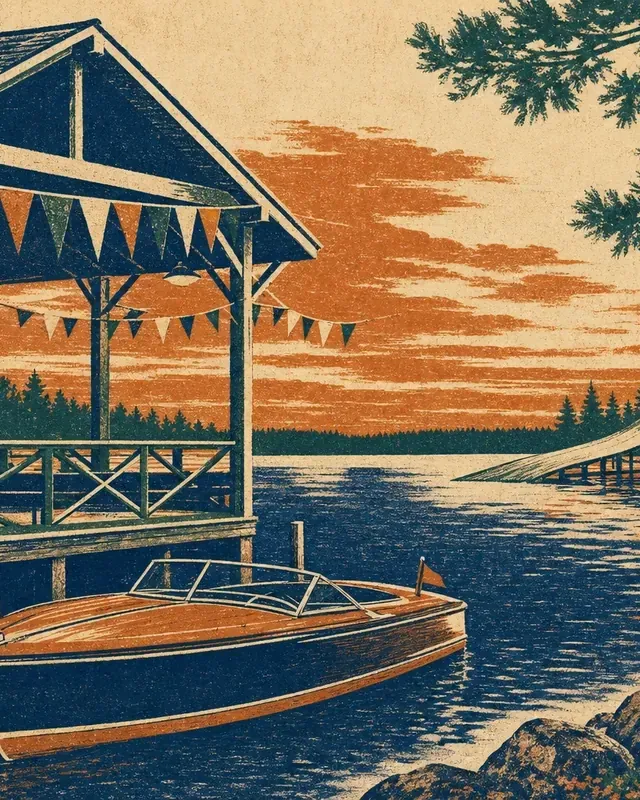
How Water Carnival reached ninety
A short history of the Northwest Water Carnival, from its 1935 start to the 90th year.
Read the full post
Happy Saturday, Lakes Area. Before the 90th Northwest Water Carnival closes, here is the tradition behind the number. The Detroit Lakes Jaycees trace the Water Carnival to 1935. Their official history notes pauses in 1937 and 2020. Today the celebration runs ten days with more than sixty events, led by volunteers and the year's Water Carnival Admiral. The 90th finale steps off Sunday at 1 PM with the Parade of the Northwest, followed by the Bald Eagle Waterski Show on Little Detroit Lake. Comment with the Water Carnival memory your family still tells, and hit like for more local history. Source: Detroit Lakes Jaycees official Water Carnival history and 2026 schedule. Event update source: Audubon, MN Hometown Market public group. One more Saturday stop: Audubon Hometown Market is at the ALS Bar and Grill parking lot in Audubon today from 10 AM to 2 PM. Share this with someone making a Saturday loop.
The image here is an illustration made for this archive. The original Reel and its credited media are on Facebook.
Reel · Sat, Jul 11
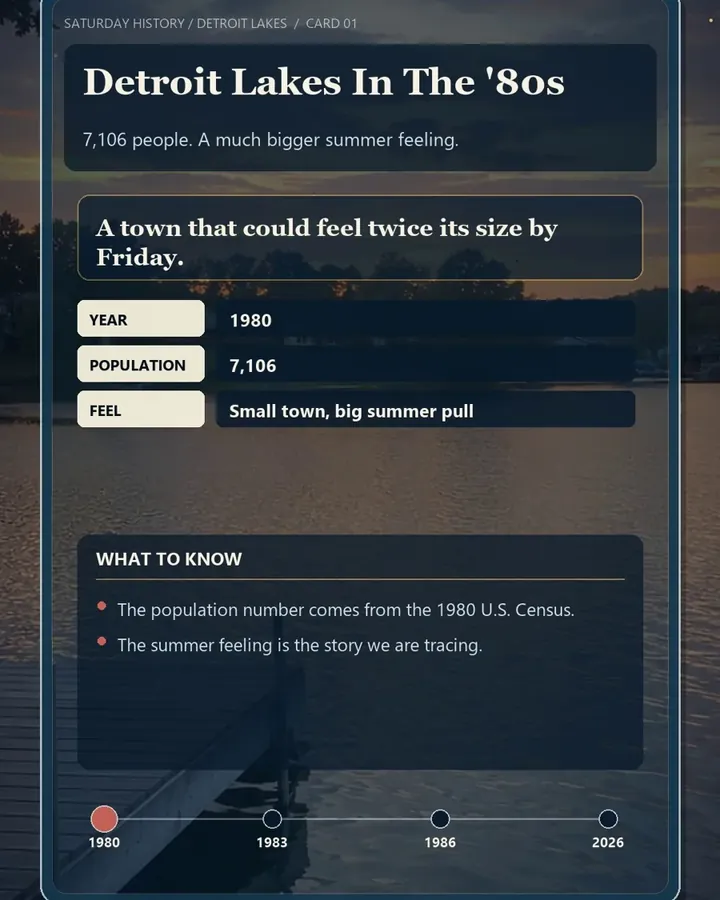
Detroit Lakes in the '80s.
A town of 7,106 with a much bigger summer: Fairyland Cottages, Zorbaz, the first WE Fest and Washington Square.
Read the full post
Happy Saturday, Lakes Area. Detroit Lakes in the 1980s was a town of 7,106 with a summer identity that already felt much bigger. Real 1980 Library of Congress photos show Fairyland Cottages along West Lake Lane. Zorbaz had already become part of the City Beach routine. WE Fest arrived in 1983. Washington Square broke ground in 1985 and opened downtown in November 1986. Small town. Big summer weekends. A decade of change with the lake still at the center. What do you remember first? Comment with the Detroit Lakes place you miss most, and hit like if you want us to keep opening the local archive. Sources: U.S. Census data in the City of Detroit Lakes comprehensive plan; Library of Congress John Margolies collection; official WE Fest history; Detroit Lakes Tribune reporting on Zorbaz and Washington Square Mall.
This image is a still from the published Reel. The Reel's narration and music stay on Facebook. The 1980 Library of Congress photos in the Reel stay on Facebook.


.jpg)